Wondering about the best instrument to learn first? For most beginners the answer is the one you will actually keep playing: ukulele, guitar and keyboard are the easiest starting points, and the music you love should break any tie.
This guide sits inside our wider look at musical instruments, so you can compare whole families once you have a direction.
| Instrument | Key beginner fact |
|---|---|
| Ukulele | Four strings, against the guitar’s six |
| Guitar (cheapest price named) | As little as £10.99 |
| Piano | Impossible to play out of tune (unless the instrument itself needs tuning) |
| Harmonica | Any note you play will be in key |
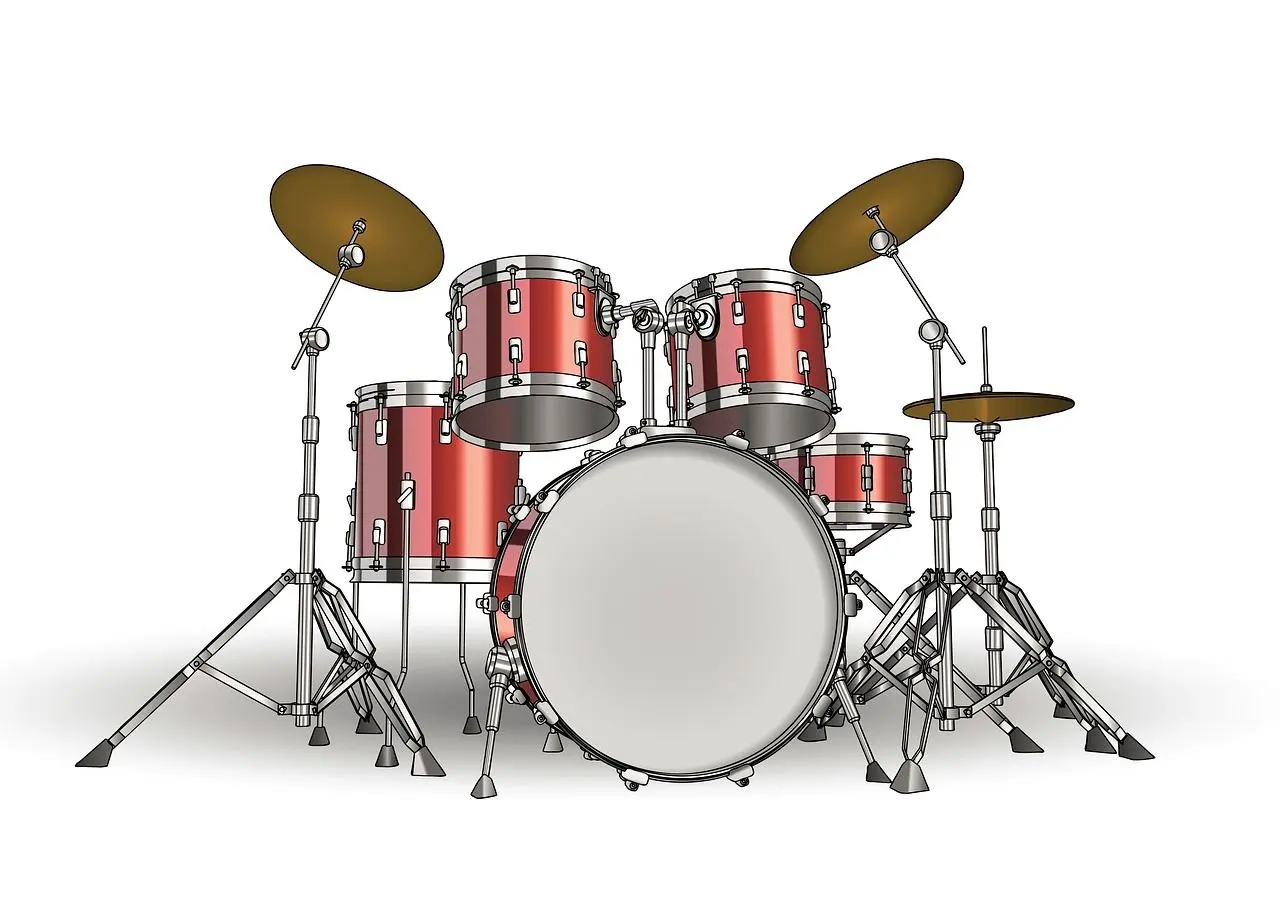
| Drums | Cuts out the layer of note learning |
These figures come from Classical Music’s guide to the easiest instruments. Prices and availability can change, so check the source before you rely on them.
Start with the music you love
Thomann’s guide argues that the choice begins with the person, not the instrument. Its top question is what kind of music you prefer listening to, because that is usually the music you will want to play. Thomann’s first-instrument guide makes the point plainly.
Genre also narrows the field. The same guide says the electric guitar is popular for rock, pop and metal, while the western steel-string acoustic guitar, violin and banjo dominate country and folk.
Motivation matters most once the novelty fades. LANDR is honest that any instrument demands practice and dedication, and that you need to play often to build muscle memory. A piece of music you are excited about makes that routine easier to keep.
Strings: ukulele, guitar and bass
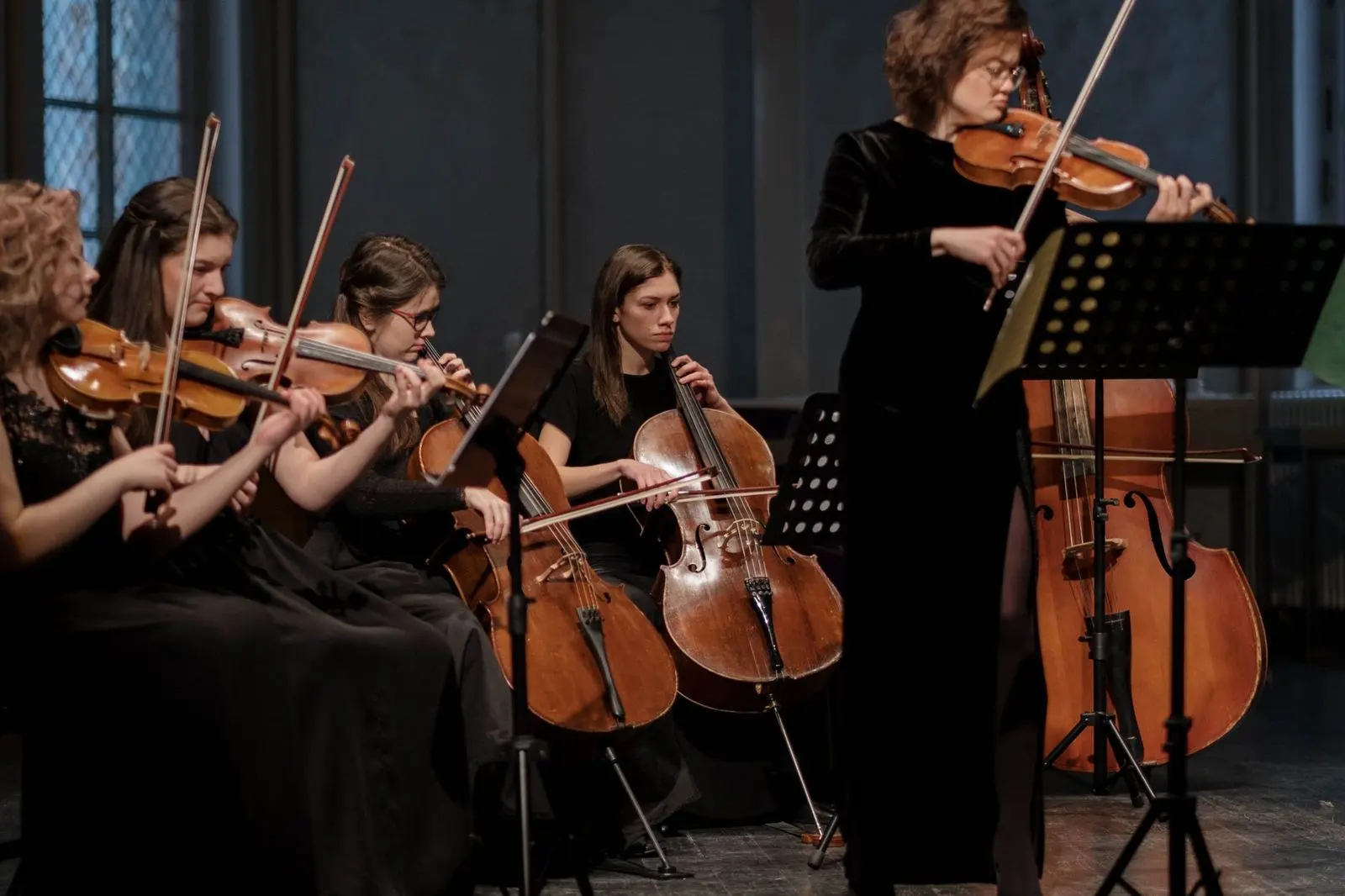
Classical Music calls the ukulele perhaps the easiest string instrument, thanks to four strings instead of the guitar’s six. It adds that the ukulele shares its string count with the violin, which makes it a handy precursor to that harder instrument, according to Classical Music.
LANDR points out the ukulele’s open tuning: you do not have to fret anything to get a pleasing chord, you can simply strum. That instant reward is why many people feel good about it from the first minute, as LANDR’s beginner list explains.
The same list describes the guitar as a relatively easy instrument to start on that rewards you straight away, and notes that a decent used one can be found cheaply. Andertons says most people begin on acoustic because it is generally a little more affordable, and suggests a nylon-string model if you want to build finger strength more gradually.
Electric guitars feel easier to play but bring extra controls and gear, such as plugging into an amp, according to Andertons. If you are set on rock, that is no reason to avoid one, as long as you plan for the extras.
The bass guitar often plays one note at a time, so the parts can be simple. LANDR adds that bass drives rhythm much more than guitar, so playing it well means developing a good rhythmic sensibility. Andertons agrees it takes a bit more practice, and says a short-scale bass is simply a regular bass with a shorter neck.
Keys, winds and voice
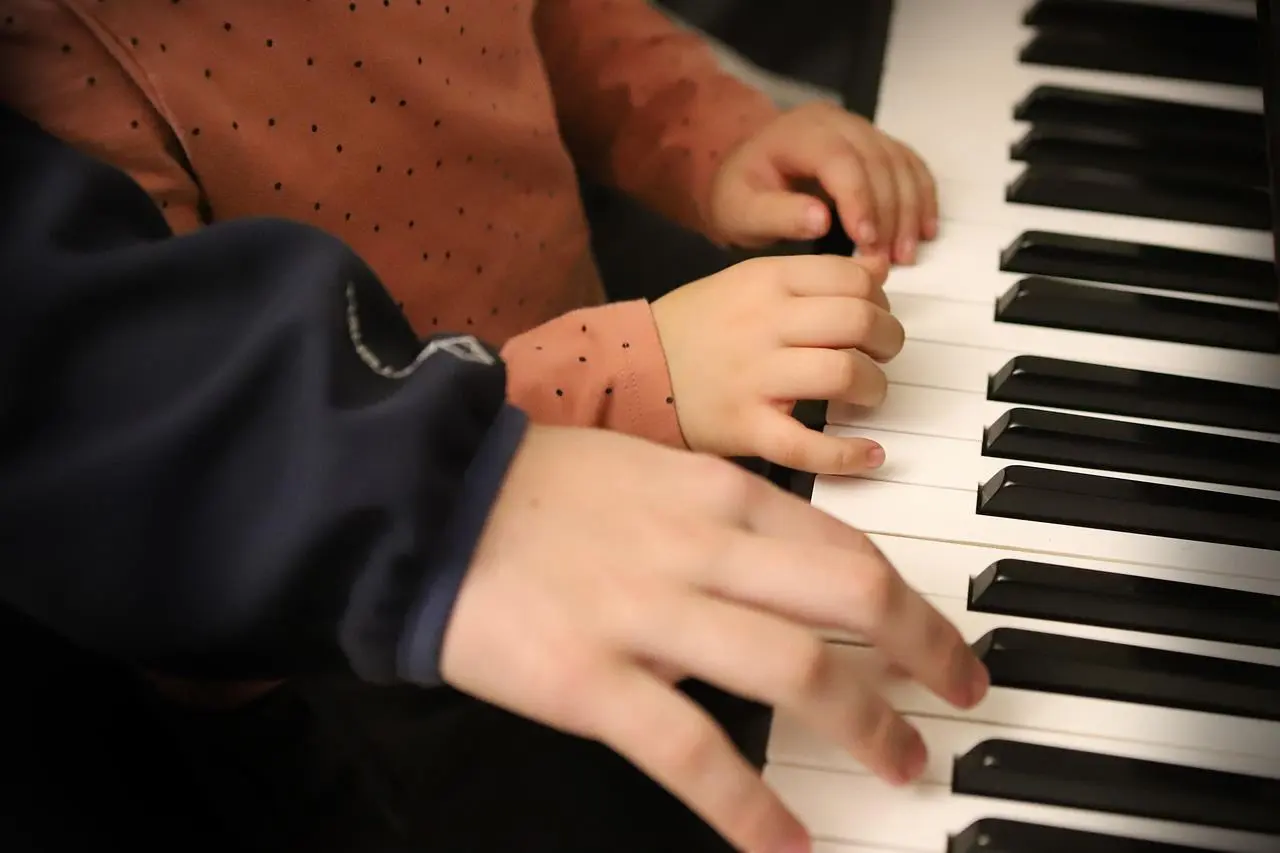
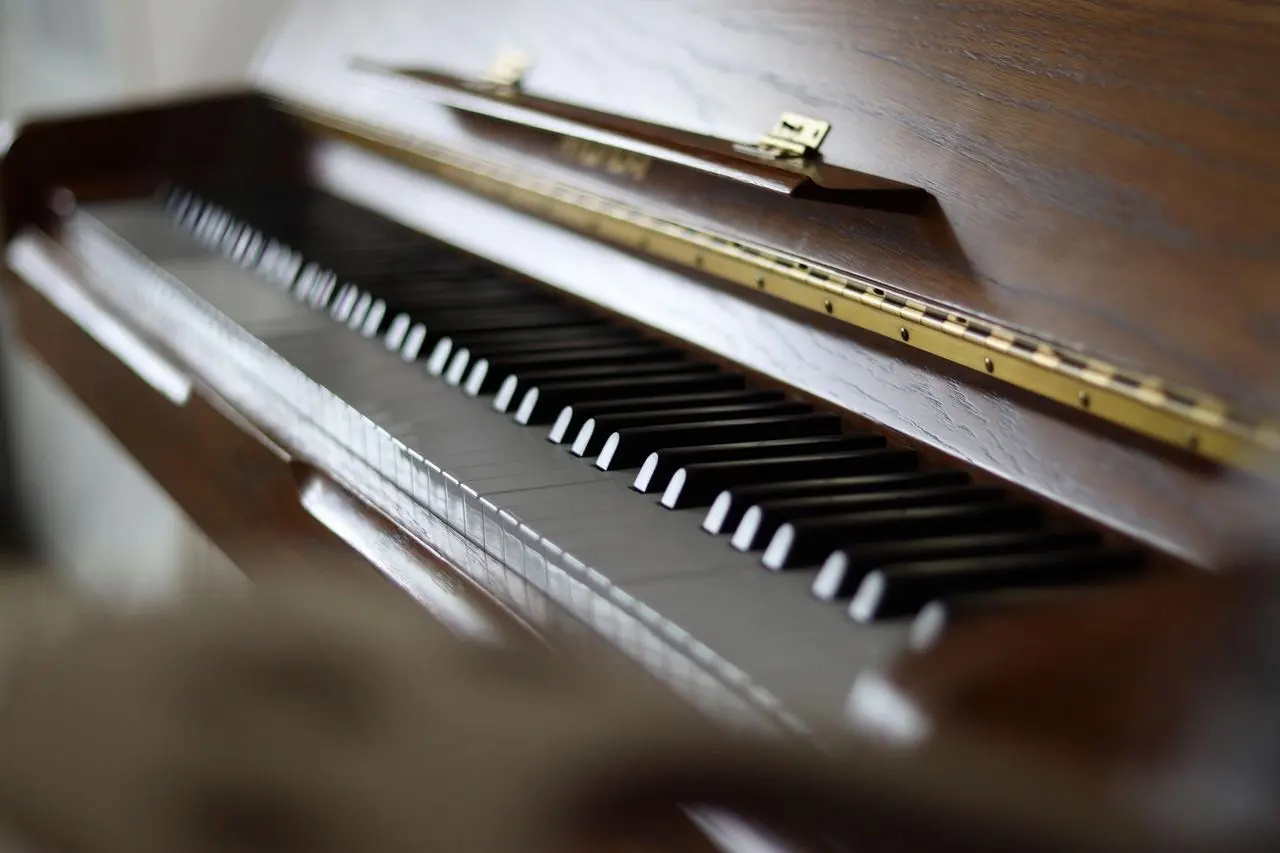
The piano has a built-in head start: Classical Music says it is impossible to play out of tune, unless the instrument itself needs tuning. Because every note is laid out in front of you, it also helps you see note and chord spacing, which is harder on other instruments. You can read the full argument in Classical Music’s list.
Thomann calls the keyboard probably the most musically logical instrument because of its black and white keys. It also notes that music from every genre and difficulty level can be played on the same keyboard, which is why it works as a lifelong choice. See Thomann’s guide for the details.
Wind instruments and voice each come with a trade-off, according to Classical Music:
- Recorder: one of the easiest instruments to learn by ear and a fantastic introduction to rhythm and musicality.
- Harmonica: every note is in key and it fits in a pocket, though it is mostly a blues and jazz choice.
- Flute: the fingerings are surprisingly simple, but blowing properly can be tricky at first.
- Clarinet: getting a sound out is one of the hardest parts, though the fingering system is fairly logical.
- Voice: nothing to buy in a shop and nothing to lose.
If you later move toward woodwind or brass, our page on transposing instruments explains why some written parts differ from the pitch you hear.
Thomann suggests the recorder for undecided young beginners, since fingering and first melodies come quickly. That makes it a gentle test of whether music sticks, as Thomann notes.
Drums and percussion: rhythm first
Classical Music says drums remove the layer of learning notes, and that basic pop or rock beats are fairly easy. Getting really good takes serious rhythmic skill, and you will need understanding neighbours, as the Classical Music guide puts it.
Andertons describes acoustic kits as bigger and louder but more natural to play. Electronic kits are more compact, can have the volume turned down and are great for learning without making such a racket, per Andertons.
A full kit is not the only door in. Andertons suggests starting with something like bongos, a djembe or a woodblock, and our overview of percussion instruments covers that wider family.
LANDR also lists the kalimba, a simple instrument that anyone can pick up and start making sounds with straight away, in its beginner roundup.
Software as a first step
If you mainly want to make tracks, LANDR says you can bypass learning an instrument or music theory by working in a digital audio workstation, or DAW. It adds that anyone on an Apple device already has a free one called GarageBand. The details are in LANDR’s article.
A DAW suits computer-minded beginners who care about building loops more than playing live. If you later want hands-on skills, a keyboard is an easy bridge from clicking notes into a grid.
Practical checks before you choose
Run through these questions before you spend anything:
- Size: Thomann says to make sure the instrument is not too large for your height. Student guitars with a shortened scale and flutes with a curved head-joint exist for smaller players (Thomann).
- Band demand: if you want to join a band one day, Thomann notes that groups often look for a drummer or a bassist because there are fewer of them.
- Space and volume: Andertons says to consider your neighbours and the size of your rooms (Andertons).
- Budget: a used instrument can keep early costs low, and Classical Music notes that you can find a guitar for as little as £10.99 (Classical Music).
Whichever you pick, stay open to switching. Thomann’s own view is that no instrument is a mistake, provided you are informed.
Frequently asked questions
Is the ukulele or the guitar better to start on?
Show answer
Pick the ukulele if small hands or fast first songs matter most. Choose the guitar if you want a bigger step toward rock and pop.
Do I need to learn music theory first?
Show answer
You will pick up a few simple ideas about chords, scales and melody along the way, according to LANDR. You do not need to study them before you begin.
Are adults too old to start?
Show answer
No. Andertons frames the benefits of learning as open to adult learners and children alike.
What if I pick the wrong one?
Show answer
Treat the first instrument as a trial rather than a lifelong contract. Skills such as rhythm, listening and finger coordination carry over if you switch, and Thomann says no instrument is a mistake.