
Browse
Music Theory Guide
-
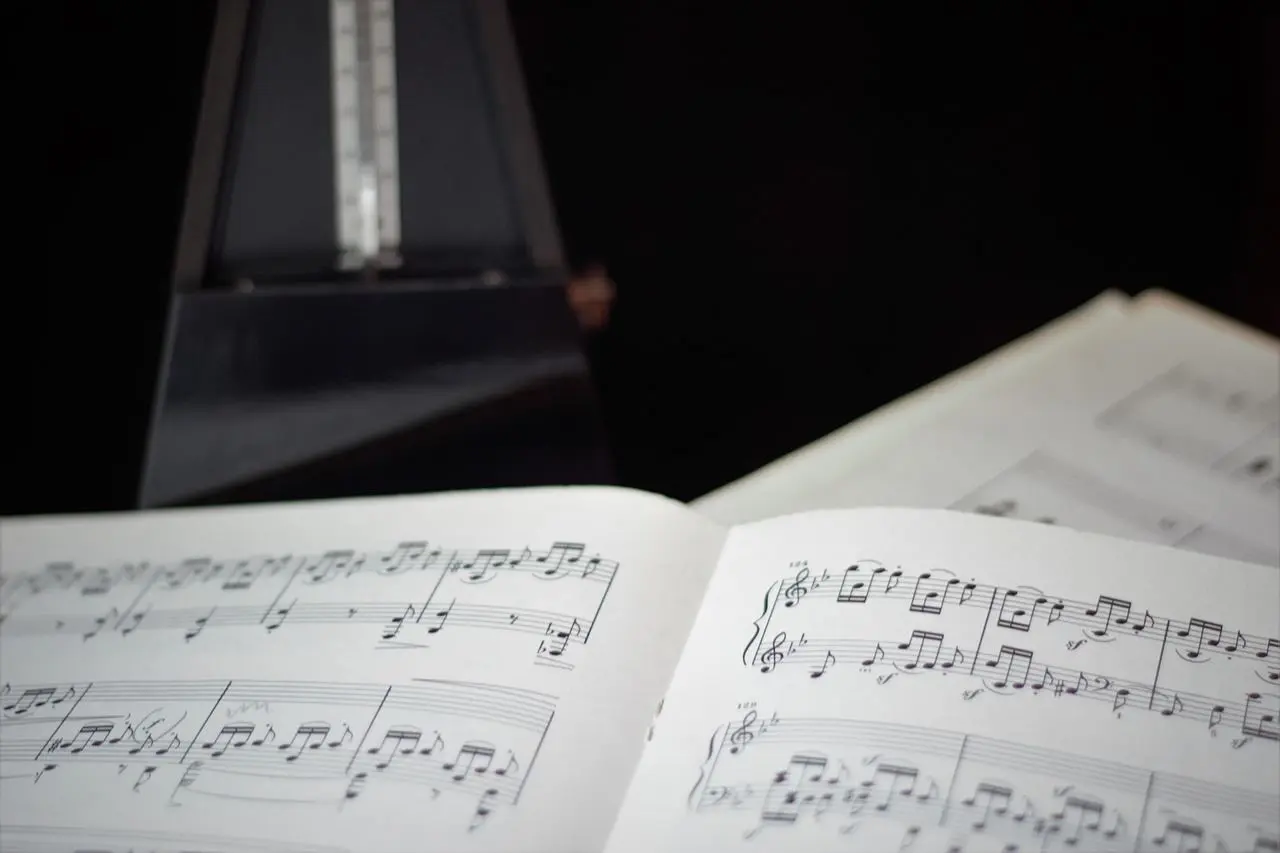
Time Signatures Explained with Simple Examples
Staring at two stacked numbers at the start of a piece? Time signatures tell you how many notes of a…
-

Renaissance Music: Composers, Styles and Instruments
Not sure what Renaissance music actually is? It’s the smooth, interwoven polyphony that European composers developed between the medieval and…
-

chord progressions for beginners — Music Basics
Starting out on guitar or piano and unsure which chords belong together? Chord progressions for beginners come down to one…
-
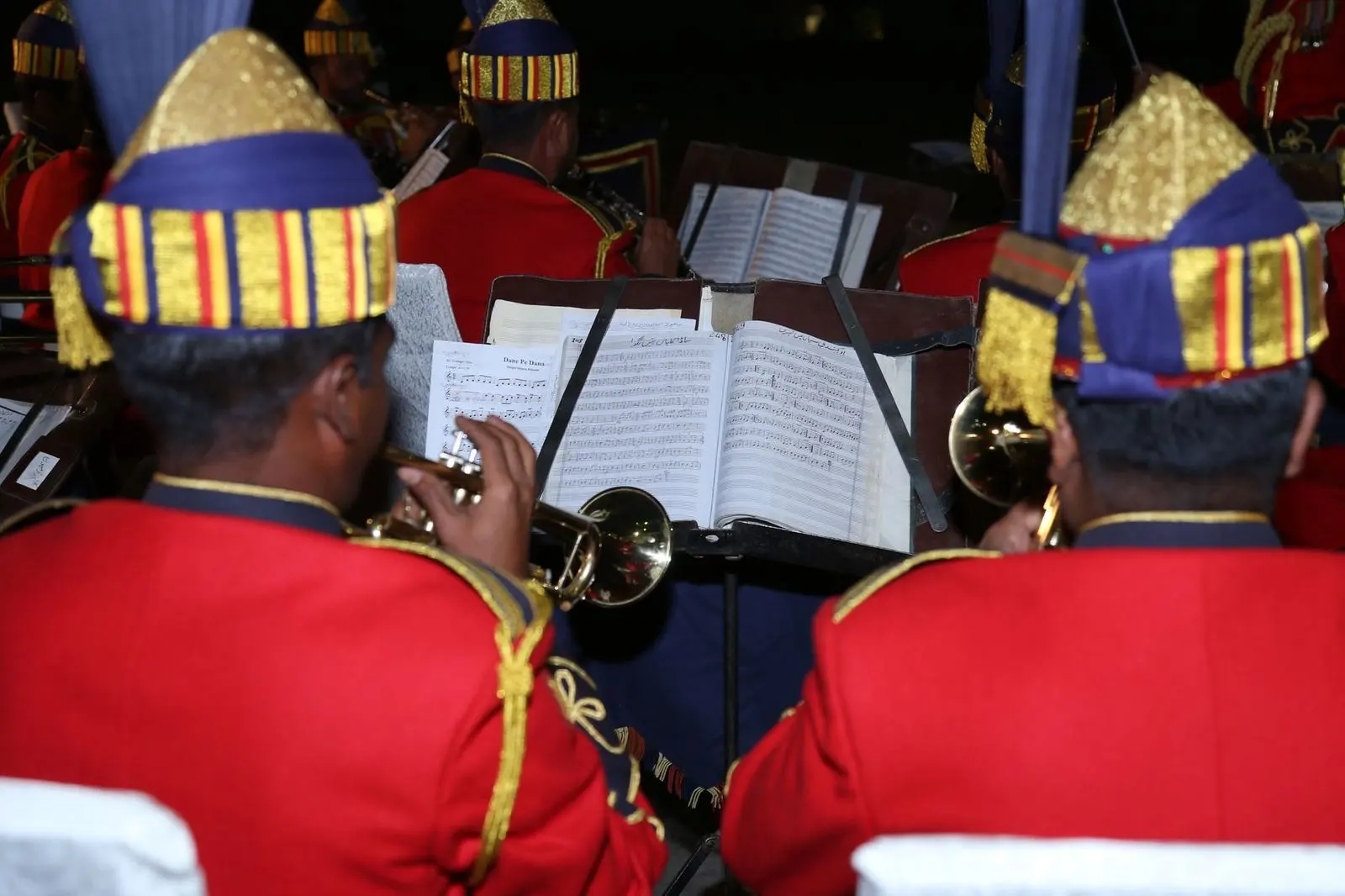
Brass Instruments: Trumpet, Trombone, Horn and Tuba
Choosing between a trumpet, trombone or tuba, or just curious how they work? Brass instruments all make sound the same…
-
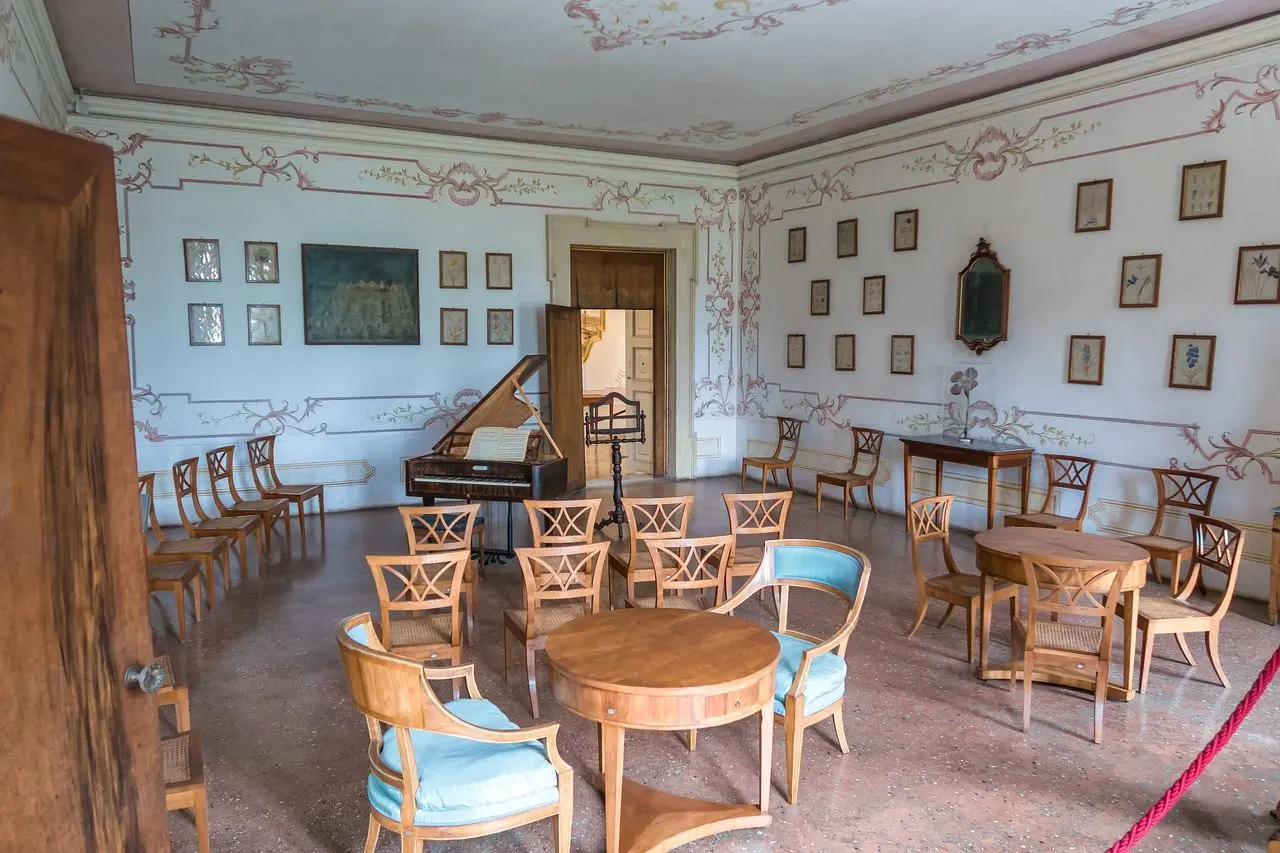
Baroque Music: Bach, Vivaldi and Handel
You keep hearing trills and harpsichord runs and wonder what baroque music really is. The short answer: it is the…
-
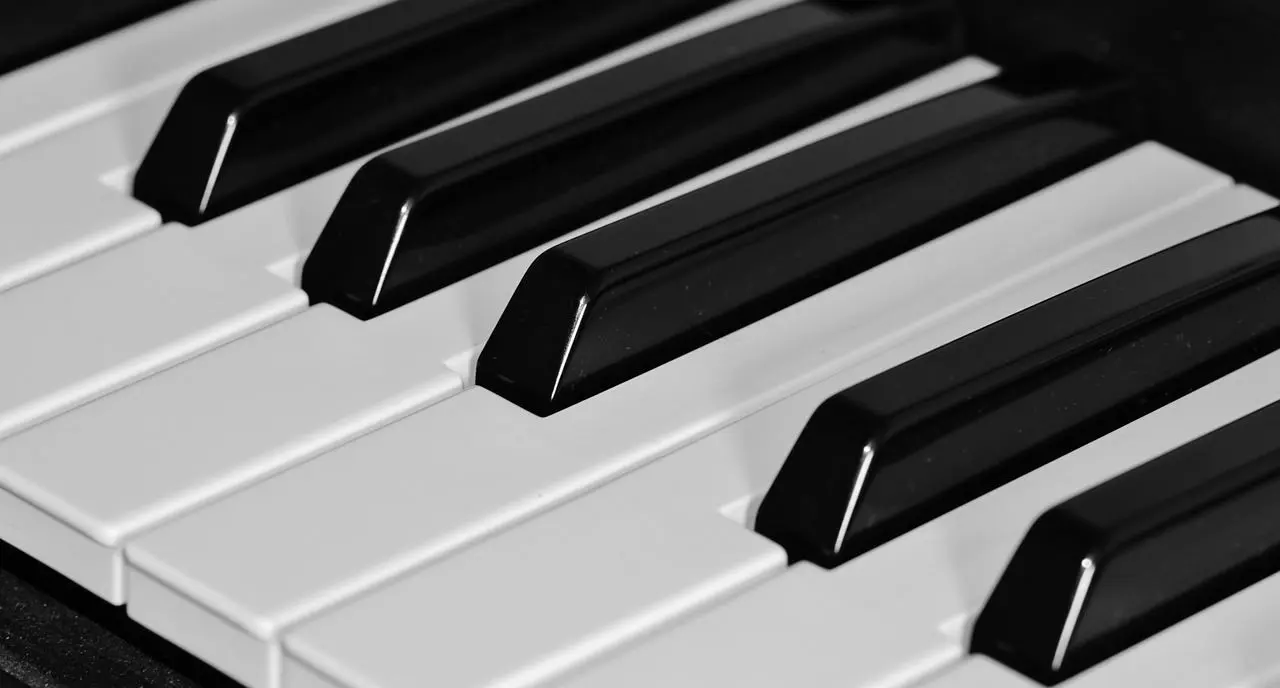
Musical Intervals: Naming and Hearing Them
Trying to make sense of musical intervals? An interval is the pitch distance between two notes, named with a number…
-

The Classical Period: Haydn, Mozart and Beethoven
Wondering what makes classical period music sound so clear and balanced? It is the melody-led style of Haydn, Mozart and…
-
The Major Scale: Pattern, Notes and Uses
Wondering what makes a scale sound major? The major scale is seven notes arranged in the pattern whole, whole, half,…
-

Musical Notes and Their Names Explained
Wondering what to call the musical notes you see on a page? You only need seven letters, A to G,…
-
Key Signatures: How to Identify Any Key
Staring at a row of sharps or flats and not sure what key you’re in? You can read key signatures…